
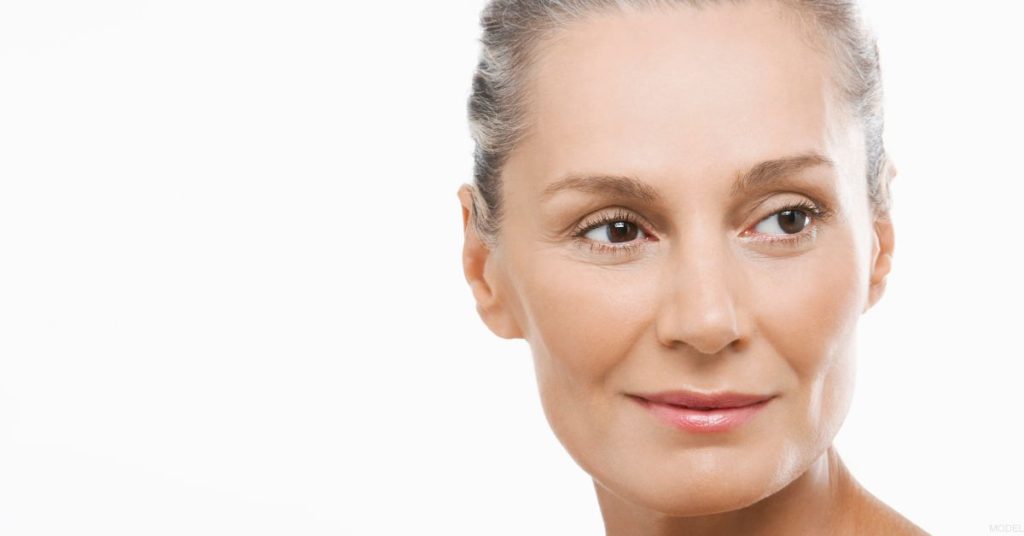
A facelift typically lasts about 10 years, though results can vary based on factors such as surgical technique, skin quality, and lifestyle habits. While a facelift doesn’t stop the aging process, it can significantly reset the clock and help you look younger for many years.
Understanding what affects facelift longevity and how to protect your results can help you make the most of your investment. If you’re wondering how long a facelift lasts, keep reading for expert insights and tips on preserving your youthful look for years to come.
What Results Can You Expect From a Facelift?
A well-performed facelift addresses sagging skin, deep folds, jowls, and laxity in the mid-to-lower face. I focus on creating natural-looking improvements—not the overly tight or “windblown” look people often worry about. The goal is a refreshed version of you that looks rested, not altered.
How Long Does a Facelift Last?
While facelift results often last around 10 years, longevity varies from person to person. Factors such as your age at the time of surgery, skin quality, lifestyle habits, and how well you care for your skin after surgery all play a role.
What Happens 10 Years After a Facelift?
Ten years after a facelift, many patients still look younger than their chronological age, even though natural aging continues. Over time, skin elasticity decreases and gravity takes its toll, but the face typically ages from a more youthful baseline established by the surgery. Some patients choose to refresh their appearance with nonsurgical treatments or a secondary facelift if signs of aging become more pronounced.
What Type of Facelift Lasts the Longest?
Facelift longevity depends largely on surgical technique. Approaches that reposition deeper facial structures, such as SMAS or deep plane facelifts, tend to provide longer-lasting, more natural-looking results because they address the underlying causes of facial aging rather than tightening skin alone. The best technique for you depends on your anatomy and aging pattern, not just longevity.
| Facelift Technique | Areas Addressed | Typical Result Longevity* | Key Notes |
|---|---|---|---|
| Deep Plane Facelift | Midface, jowls, jawline, neck | 10–15 years | Repositions deeper facial tissues rather than tightening skin alone; often associated with longer-lasting, natural-looking results. |
| SMAS Facelift | Lower face, jowls, neck | 8–12 years | Addresses the superficial musculoaponeurotic system (SMAS) for durable support and balanced rejuvenation. |
| Traditional (Full) Facelift | Mid-to-lower face and neck | 8–10 years | Comprehensive correction; longevity depends on technique and tissue handling. |
| Mini Facelift / Short-Scar Facelift | Lower face, early jowling | 5–7 years | Less invasive; shorter recovery, but typically shorter-lasting results compared to full facelift techniques. |
| Revision Facelift | Previously treated areas | Varies | Longevity depends on tissue quality, prior surgery, and the technique used; often less extensive than the initial facelift. |
| Nonsurgical Facelift (Fillers, BOTOX®, etc.) | Volume loss, wrinkles | Months to 1–2 years | Temporary maintenance options; does not replace surgical lifting or repositioning. |
*Longevity varies based on individual anatomy, aging, lifestyle factors, and postoperative care.
Factors Affecting Facelift Longevity
Several variables influence how long your facelift results last:
- Surgical Technique: Advanced techniques, such as deep plane or SMAS facelifts, provide more durable, natural-looking results by repositioning deeper tissues, not just tightening the skin.
- Surgeon Experience: It’s essential to choose a board-certified plastic surgeon with extensive facelift expertise.
- Skin Quality and Elasticity: Patients with good skin elasticity tend to enjoy longer-lasting results.
- Lifestyle Habits: Smoking, excessive sun exposure, and poor diet can accelerate skin aging and compromise results.
How To Get the Best Results From a Facelift
Preparation and aftercare are essential to achieving the best facelift results. I offer personalized guidance at every step, from presurgical planning to postoperative care.
Here are some of my top tips:
- Choose a qualified surgeon with experience in facial anatomy and aesthetics—never compromise your safety or results for a bargain price.
- Follow all aftercare instructions to support healing and prevent complications.
- Adopt a medical-grade skincare routine that supports collagen production and skin resilience. We recommend our ZO® Skin Health products with tretinoin in preparation for a facelift.
- Avoid smoking and minimize alcohol intake to protect your skin’s structure and tone.
While facelift recovery requires patience, taking the necessary time to heal is key to helping you get the best results from your facelift.
Tips for Maintaining Your Facelift Results Over the Long Term
Even the best facelift can’t freeze time, but you can take proactive steps to extend your results. Here’s how to maintain facelift results:
- Schedule regular nonsurgical treatments like BOTOX® Cosmetic, injectable fillers, or IPL treatments to refresh your appearance.
- Wear sunscreen daily, even when indoors or during cloudy days. Remember that in Florida, sun exposure comes from above and below. Sunlight bounces off water and pavement, making your skin particularly vulnerable to UV rays. A hat alone may not be enough!
- Stay healthy by staying hydrated, eating a balanced diet, and prioritizing sleep and stress management.
- Consider periodic touch-up procedures, such as a mini facelift or neck lift, to fine-tune your look as you age.
Many patients look younger for longer by adding a complementary procedure, such as eyelid surgery (blepharoplasty), to refresh the face further and enhance their results.
How Many Times Can You Get a Facelift?
There is no fixed limit on how many facelifts a person can have. Some patients choose to undergo a secondary facelift, called a revision facelift, 10 to 15 years after their initial procedure as aging progresses. Follow-up facelifts are often less extensive and focus on maintaining a refreshed appearance rather than making dramatic changes. The appropriate timing and approach depend on individual anatomy, skin quality, and goals.
Explore Your Facial Rejuvenation Options
If you’re ready to take the next step toward looking more vibrant and refreshed, I encourage you to request a consultation with me using the online form or by calling our practice at (321) 951-2639. A more youthful-looking you awaits!
Leave a Reply